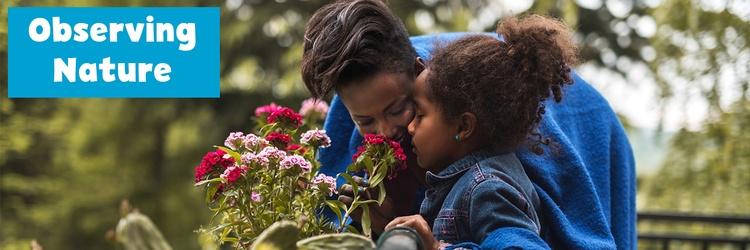


Parent notes
Noticing nature on a short family walk
By Carrie 5 min read
A manageable nature walk for Malaysian families, with room for little discoveries and each child's pace.

A short walk can feel like another job when everyone is tired. Shoes take longer than expected, someone wants to be carried, and the park seems too far away. For Malaysian families fitting outdoor time around ordinary days, it helps to make the plan smaller.
You do not need a special outing to notice nature together. A familiar garden path or a courtyard with plants can be enough. PBS KIDS suggests exploring nearby nature on a family walk; UNICEF also recognises that access to green space varies between families.
Choose somewhere easy to return from
Pick a nearby place that suits your child's abilities and your available time. Check local conditions before heading out, stay together, and keep the route manageable. If today's weather or surroundings are unsuitable, save the walk for another day.
Start with a small invitation: “Shall we see what is different outside?” There is no need to promise a long adventure. A child who knows home is close may be more willing to come along.
One interesting thing is enough. The walk does not need a checklist.
Follow what catches their attention
Perhaps your child stops at a leaf moving in the breeze. Instead of rushing to name the tree, pause beside them. You could say, “That leaf is moving, but this one is still.” Then leave a little space for their reply.
Observation is not a quiz. If they ask a question you cannot answer, “I don't know yet” is perfectly useful. You can look it up together later. There is no need to turn every stop into a lesson.
Children may notice different things on the same route. Let each child have a turn choosing where to pause. Looking closely does not mean picking flowers or handling unfamiliar plants. Leave wildlife undisturbed and enjoy watching from a little distance.
Let a quiet child be quiet
Some children talk through everything they see. Others prefer to look. A quiet walk still counts. You can share a simple observation without asking for an answer, or walk alongside them for a while.
Make room for their pace, including the moments when there is nothing to say.
Bring one small memory home
Back indoors, invite a drawing of something they noticed. A scribbled butterfly or a green patch on paper is enough. Keep this optional; the walk does not need homework to be worthwhile.
Finish while the plan still feels manageable. Next time, revisit the same spot and see whether anything has changed. Familiar places can hold fresh details without another journey to organise.
For more gentle parent notes, visit the Boo & Bub community. What tiny detail did your child notice today?
Sources and visual reference
Further reading: PBS KIDS: Observing nature; UNICEF: Outdoor play.
Artwork inspiration only: PBS nature observation visual reference. The source photograph is not reproduced here.