

Parent notes
Helping your child feel ready for a first dental visit
By Carrie 5 min read
Simple ways to preview a first dental visit, practise at home, and ask the clinic what to expect.

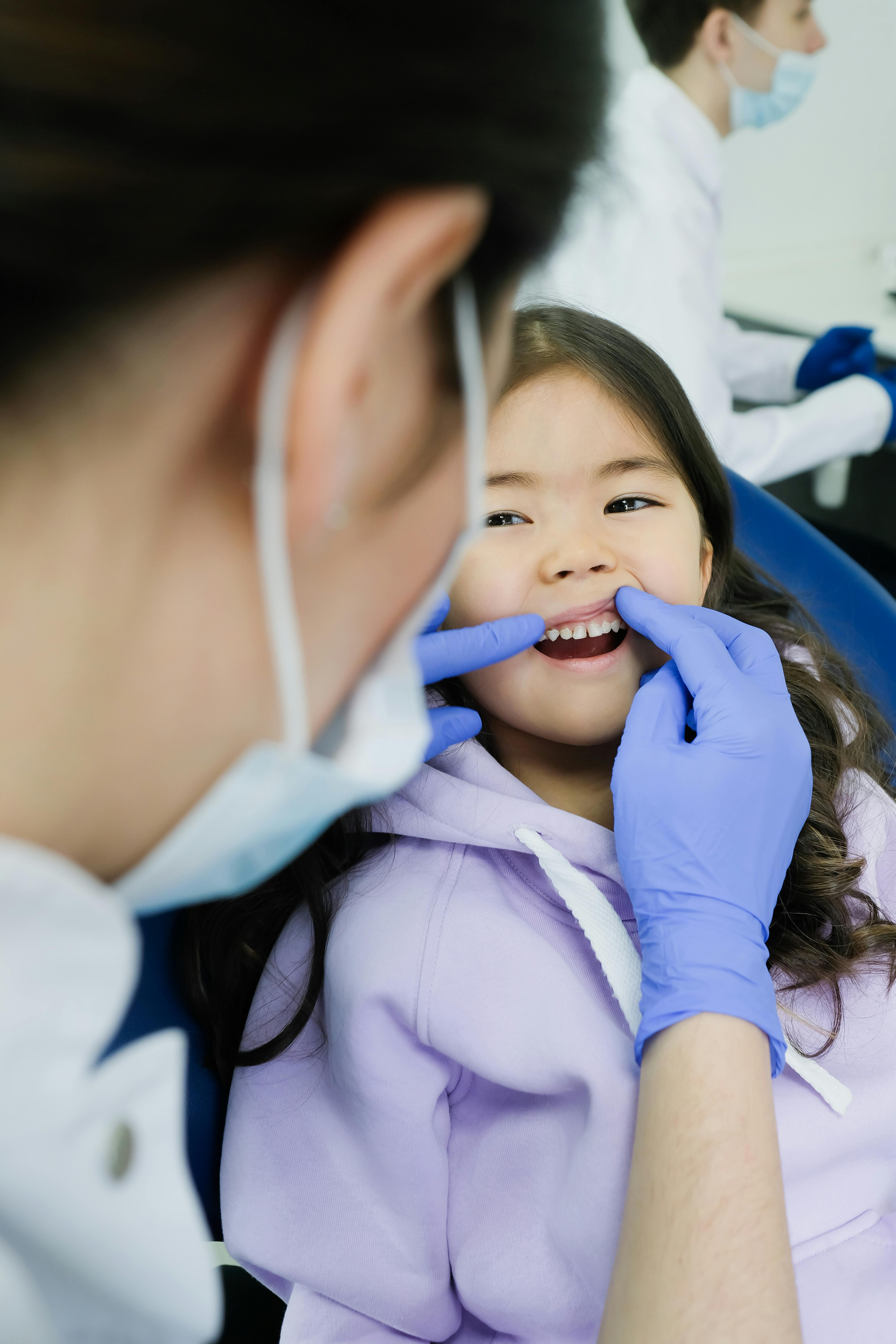
For a young child, a dental visit can mean new people, unfamiliar sounds, a reclining chair and a bright light. A short preview can make the appointment easier to imagine, without promising exactly how it will go. The aim is not a perfect first visit; it is giving your child a few familiar words and room for questions.
Use simple, honest words
Beforehand, describe only what you know: “The dentist will look at your teeth and count them.” If you are unsure, say: “We’ll ask the dental team together.” Avoid promising that it will not hurt or that your child will not feel nervous; each visit is different. The American Dental Association suggests a positive talk or an age-appropriate book or video. Keep it short and pause for questions. A small preview is enough to begin.
A short, honest preview gives your child an idea of what is ahead without asking them to feel brave on command.
Make practice a small game
With a stuffed toy, take turns counting its teeth or playing dentist and patient. Your child can hold a small mirror, too. The ADA suggests practising opening the mouth in a mirror. Keep it brief and stop while it still feels like play. This is an invitation, not a test.
Pediatric dental guidance describes explaining a step in words a child can understand, showing what it means, and then proceeding. A simple story or pretend game can make the idea less abstract; no special equipment is needed.
Ask the clinic what to expect
At booking, ask what the first visit usually includes, whether you can stay close, and what to complete or bring. Mention communication or sensory needs, or a previous difficult visit. The American Academy of Pediatric Dentistry says guidance should fit the child and family.
Malaysia’s official portal lists check-ups and oral-health education at government facilities, as well as school dental services. Ask your nearest clinic or your child’s school what is currently available.
You can make the appointment more familiar. You do not have to make your child feel fearless.
Choose a manageable time
If offered, choose a time when your child is usually rested and not near naptime. The ADA also suggests a light meal beforehand. Leave enough time for the journey and settling in, rather than arriving rushed.
A small comfort item may help some children. Ask the clinic whether it can come into the treatment room. One familiar thing can make the setting feel less new.
Let the visit be what it is
When you arrive, tell the team what your child may worry about and what usually helps. Let the dental professional explain any tools or steps. If your child needs a moment, share what you notice and ask how to proceed.
Afterward, name one specific thing your child did: asked a question, sat in the chair, or looked at the mirror. A visit does not have to be tear-free to count as an introduction. Small steps give you something to build on next time.
For dental-care questions or advice on timing, ask a registered dental practitioner who knows your child’s needs. This article is about preparation, not dental advice.
Sources and visual reference
- Malaysia.gov.my: Dental health
- American Dental Association / MouthHealthy: Your baby’s first dental visit
- American Academy of Pediatric Dentistry: Behavior guidance for the pediatric dental patient (revised 2024)
- Visual reference only: Pexels child dental check-up photo · direct image URL. The source photograph was not reused.