




Parent notes
When screen time ends: a calmer way to move to the next thing
By Carrie 5 min read
A practical routine for more manageable screen-time handovers at home.

Illustrative artwork, not a photograph of a real family.
Screen time is part of many family days. A short video while dinner is being finished, a tablet on a rainy afternoon, or a call with family far away can all have a place. The difficult moment is often not the screen itself. It is the handover when the screen ends and something else needs to begin.
Malaysia's National Security Council recently reminded parents that clear screen-time limits help children avoid becoming overly absorbed in devices. The World Health Organization also frames screen use as part of the whole day: active play, sleep, reading and time with a caregiver all matter. That makes a useful goal less about winning a daily battle and more about building a routine a child can recognise.
Make the ending visible
Avoid ending a show without warning if you can. A simple reminder such as “one more song, then we put the tablet away” gives a child a clear finish line. A timer can help too, especially when it is treated as part of the family routine rather than a punishment.
Try using the same short words each time. Young children do not need a long explanation in the middle of disappointment. They need to know what is happening next.
Have the next activity ready
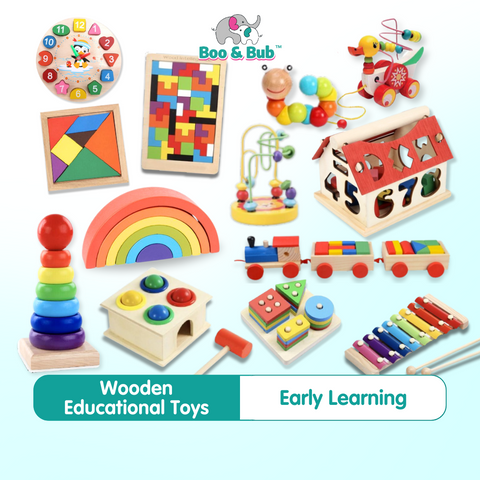
The smoothest transition is usually a specific alternative, not the vague instruction to “go and play.” Before the screen goes on, put one easy activity nearby: a puzzle, a few blocks, colouring paper, a favourite book or a small job beside you in the kitchen.
It does not need to be a big activity plan. The aim is simply to give the hands and attention somewhere else to go. On a hot or rainy Malaysian afternoon, a floor puzzle or music-and-movement game can be enough.
Join for the first few minutes
Some children settle more easily when an adult begins the next activity with them. Sit down for two puzzle pieces, help build the first block tower, or ask them to choose the first page of a book. Once they are involved, step back when it feels natural.
This is not about making every transition perfect. There will be days when a child is tired, hungry or simply unhappy that the video has finished. Stay calm, repeat the boundary and keep the next step small.
Keep the routine realistic
If evenings are hardest, start with one predictable change rather than rewriting the whole day. For example, make “tablet away, bath next” the routine on weekdays. Or keep devices off the dining table and put a basket of simple activities nearby.
The best routine is one the adults in the home can keep repeating. It can be adjusted as your child grows, your family schedule changes, or you learn what makes the handover easier.
For more everyday play ideas, explore Boo & Bub's collection and choose what fits your family’s day.