

Parent notes
After "sorry": helping children make things right
By Carrie 5 min read
Small, practical ways to help children follow an apology with a thoughtful action.

A quick "sorry" can end an argument while leaving the hurt behind. For children, the useful next question is often: what can we do to make this a little better?
In a busy Malaysian household, it is tempting to settle a disagreement before the school run or dinner. You do not need a long lesson each time. A small, clear response can leave space for both children to be heard.
Start with what happened
Picture a younger child scribbling across a sibling's drawing. First stop the scribbling and check on the child whose work was damaged. Keep your explanation concrete: "That was her picture. She wanted to keep it."
Name the action without labelling the child. "You drew on her page" gives you something to address. "You are naughty" turns the conversation into a judgement about the whole person.
Ask a simple question about the other child's feelings. Avoid answering it yourself immediately. Your child may need time to find words, and a shrug does not have to end the conversation.
An apology becomes more useful when a child can connect it to something they can put right.
Choose a small repair
A repair should fit the situation. A child might return a borrowed crayon or help gather a game that was scattered. For a damaged drawing, they could offer a fresh sheet and ask whether help would be welcome.
Ask before trying to fix someone else's work. The child who was upset may prefer to draw alone. Making amends is an invitation, not permission to take over the activity again.
Keep your suggested action manageable. A younger child can hand something back with your help; an older child may be able to explain what happened and suggest a next step. You can guide the conversation without writing a speech for them.
Leave space after the apology
"Sorry" does not require an immediate smile, hug or "it's okay" from the other child. Let the other person have their response. They may need a little space before they want to play together again.
At a family gathering, take the conversation to a quieter spot if possible. An audience can turn a small disagreement into a performance. The aim is to understand the problem and respond to it, rather than finish the moment for everyone's comfort.
Making things right can begin with a small action, even when the other person still feels upset.
Let adults practise too
When you speak sharply, a plain apology gives children an example they can hear: "I spoke too harshly. I'm sorry." Keep responsibility with yourself rather than adding a reason that blames your child.
Keep the next step realistic. You might say you will pause before answering next time. The example matters more than a perfect explanation.
Which small repair could work in your home this week? Share a practical idea with other parents in the Boo & Bub community.
Sources and visual reference
PBS KIDS for Parents: teaching apologies
PBS KIDS for Parents: adults apologising
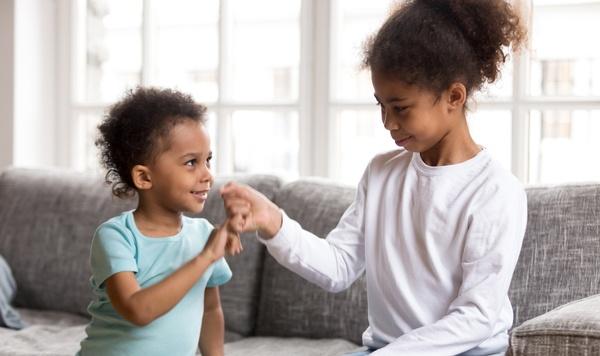
Visual reference: children reconnecting (not reused)